
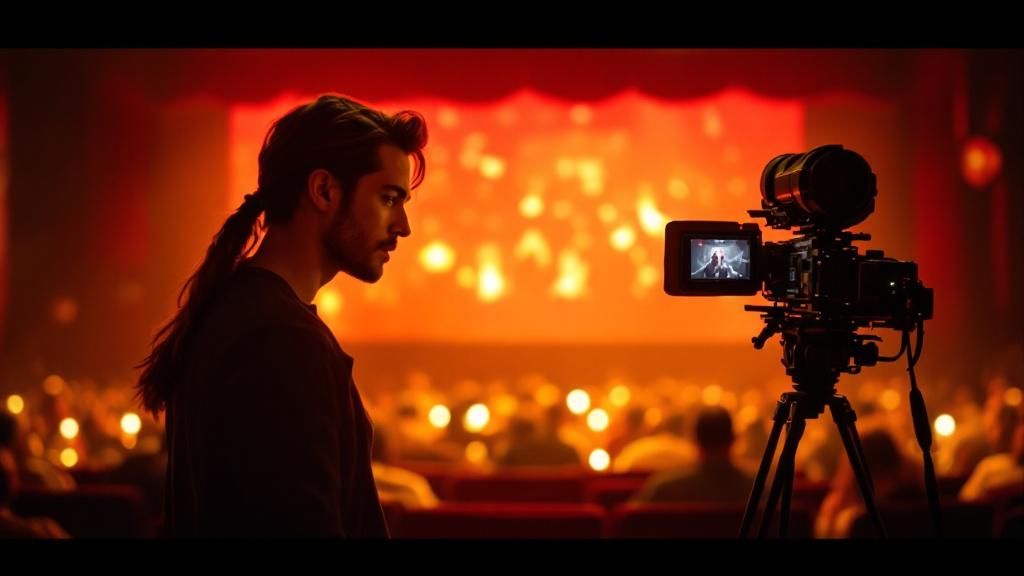
The theatre has undergone a remarkable evolution in recent years, as cutting-edge cinematic techniques transform the way audiences engage with stories on stage. From immersive projection mapping and digital scenery to advanced lighting systems and sound engineering, modern theatres are blending conventional theatrical craft with modern visual technology. This article examines how these creative methods are reshaping theatrical narratives, enhancing emotional resonance, and creating unforgettable experiences that blur the boundaries between cinema and live performance, ultimately transforming what audiences expect from theatre in the twenty-first century.
The Evolution of Narrative Through Images
The progression of theatrical imagery in theatre has undergone profound transformation over the last hundred years. From simple starts with painted backdrops and candlelit stages, theatre performance has transformed into a intricate combination of creative mediums. Early innovations incorporated powered lights and automated sets, fundamentally altering how plots could be communicated. However, the true revolution emerged when theatrical artists began adopting motion picture methods, acknowledging that spectator demands had changed significantly in the wake of motion picture consumption.
Contemporary theatres actively utilise cutting-edge projection systems that would have seemed inconceivable mere years past. High-definition mapping systems produce immersive three-dimensional spaces that react immediately to performers’ movements and emotional beats. These projected imagery transcend mere decoration, becoming essential storytelling tools themselves. Directors leverage these systems to compress time, transition between locations effortlessly, and depict intangible concepts that traditional stagecraft cannot express. The fusion of live acting with cinematic precision has created fresh narrative opportunities.
This shift demonstrates wider societal shifts in how spectators consume content and experience performance. Modern digital audiences expect advanced visual language, whilst purists cherish the genuine live theatre that film cannot replicate. Today’s theatres skillfully manage this balance, employing cinematic approaches to amplify emotional resonance without compromising the unique vitality of live theatre. This collaboration between tradition and innovation has fundamentally redefined theatrical expression for contemporary audiences.
Immersive Spatial Audio and Three-Dimensional Sound
Modern theatre productions employ complex sonic technologies that transcend traditional sound amplification. Spatial audio technology produces three-dimensional soundscapes, allowing sound to move seamlessly around the auditorium, surrounding listeners with immersive audio landscapes. This sophisticated method transforms how spectators perceive narrative elements, causing dialogue, music, and effects feel authentically integrated within the stage area rather than merely projected from speakers.
The adoption of Dolby Atmos and similar immersive audio formats has become more widespread in contemporary theatres. These technologies enable sound designers to locate audio segments precisely throughout the performance space, featuring overhead channels that create impressive dimensionality. By leveraging these capabilities strategically, productions create emotional impact that enhances pivotal scenes, intensifies comedic timing, and establishes atmospheric tension in fashions standard stereo configurations cannot accomplish.
- Spatial audio positions sound throughout immersive performance environments with precision.
- Dolby Atmos technology facilitates accurate directional and overhead sound placement.
- Rich audio environments strengthen emotional connection among performers and audiences.
- Sound design enhances projected visuals to create cohesive sensory encounters.
- Sophisticated technology enable complex narrative layers via audio storytelling techniques.
Theatre sound engineers now partner with directors and cinematographers to ensure audio complements visual elements flawlessly. This interdisciplinary approach acknowledges that today’s audiences demand film-grade sound alongside refined theatrical presentation. Consequently, theatrical productions invest significantly in audio technology, guaranteeing theatres feature appropriate infrastructure for delivering absorbing audio environments that match cinema sound quality whilst maintaining the immediacy and authenticity fundamental to live theatrical performance.
Digital Projection and Colour Correction Innovation
Digital projection technology has fundamentally transformed theatrical presentations, enabling productions to showcase breathtaking imagery sequences with remarkable precision and detail. Modern theatres now utilise advanced projection systems designed to producing intricate details, vibrant imagery, and seamless transitions that engage spectators from the opening moments. This innovation in technology allows directors to create immersive environments that complement stage acting, transforming stages into dynamic canvases where film-like narrative merges effortlessly with theatrical tradition, enriching the complete storytelling journey.
Colour grading represents a vital innovation in contemporary theatrical design, offering technicians refined tools to manipulate visual atmospheres and amplify emotional impact. By methodically balancing hues, saturation levels, and contrast ratios, colour graders create distinctive moods that align with narrative themes and character development. This meticulous approach to colour management ensures that every scene maintains visual coherence whilst evoking specific emotional responses, allowing audiences to experience stories through a carefully curated visual language that heightens dramatic tension and psychological depth throughout performances.
The combination of digital projection and colour correction has significantly transformed viewer expectations relating to theatrical aesthetics and story excellence. Productions now employ these tools to create visually impressive spaces that rival film experiences whilst maintaining the irreplaceable vitality of live theatre. This fusion of conventional theatre and contemporary film techniques illustrates how technological progress can strengthen rather than reduce theatrical craft, creating new standards for immersive experiences that keep developing as technology advances.
